



Why Pima cotton is best for babies with sensitive skin
Why Pima Cotton Is One of the Best Fabrics for Baby Skin
When shopping for baby clothes, softness is usually the first thing parents notice. But for newborns and infants, fabric choice affects far more than comfort alone.
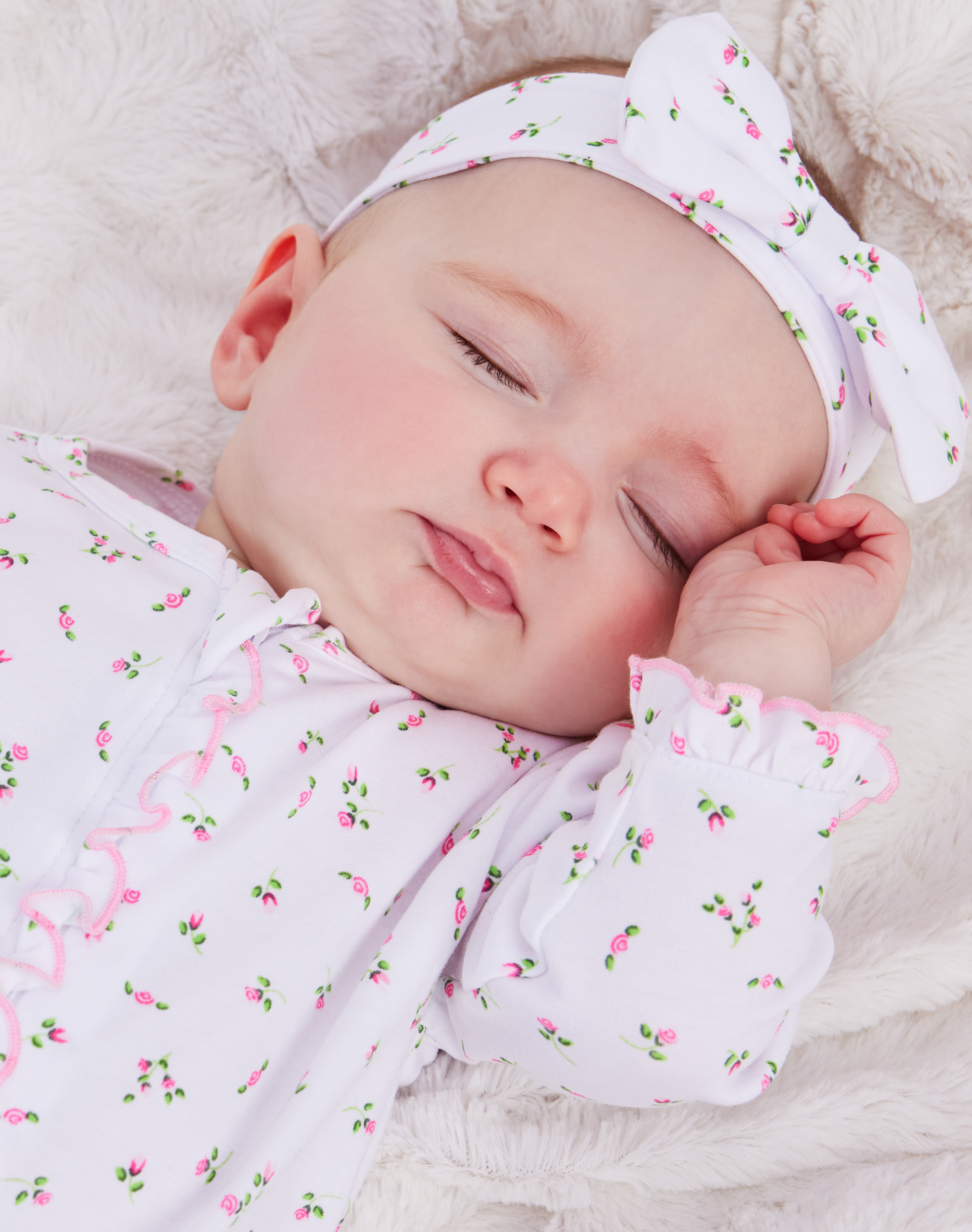
Baby skin is thinner and more delicate than adult skin, which means rough fibers, synthetic materials, and poor breathability can lead to irritation, overheating, or discomfort. That’s why many pediatricians and parents prefer natural fabrics like Pima cotton for babies, especially during the newborn stage.
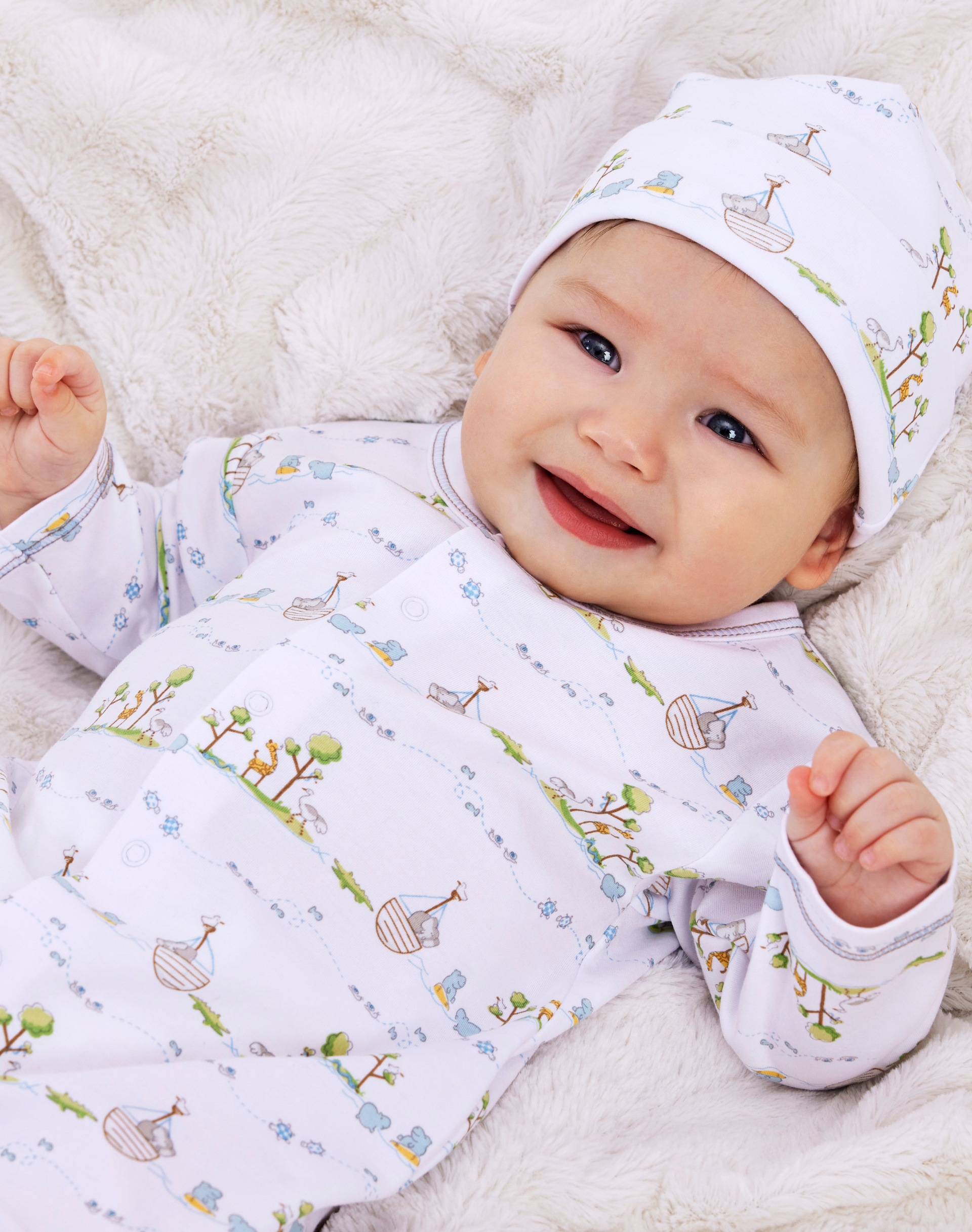
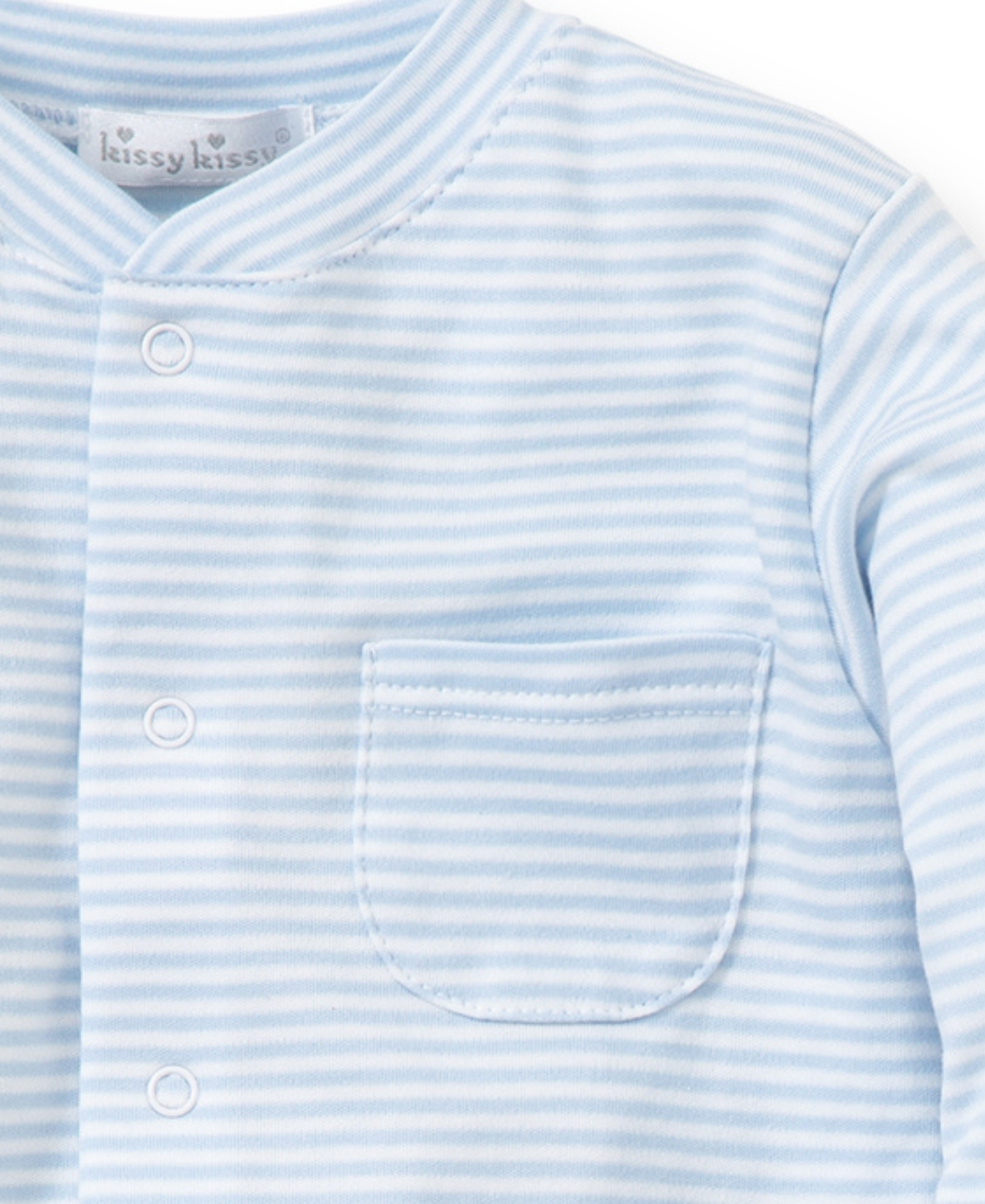
At Kissy Kissy, every newborn collection is made from Peruvian Pima cotton, a premium cotton known for its exceptional softness, breathability, and durability.
What Is Pima Cotton?
Pima cotton is a type of extra-long staple cotton. Unlike standard cotton, which is made from shorter fibers, Pima cotton fibers are longer, smoother, and stronger.
Those longer fibers create fabric that feels softer against sensitive skin and stays smoother over time, even after repeated washing.
Peruvian Pima cotton is widely considered one of the finest types of cotton in the world because of the unique climate conditions where it’s grown. The coastal valleys of Peru produce cotton with exceptional softness, strength, and natural luster.
Because of these qualities, Peruvian Pima cotton is commonly used in luxury baby clothing, newborn essentials, baby pajamas, footies, swaddles, and layette collections.
Why Pima Cotton Is Good for Babies
1. It’s Softer on Sensitive Skin
One of the biggest benefits of Pima cotton for babies is softness.
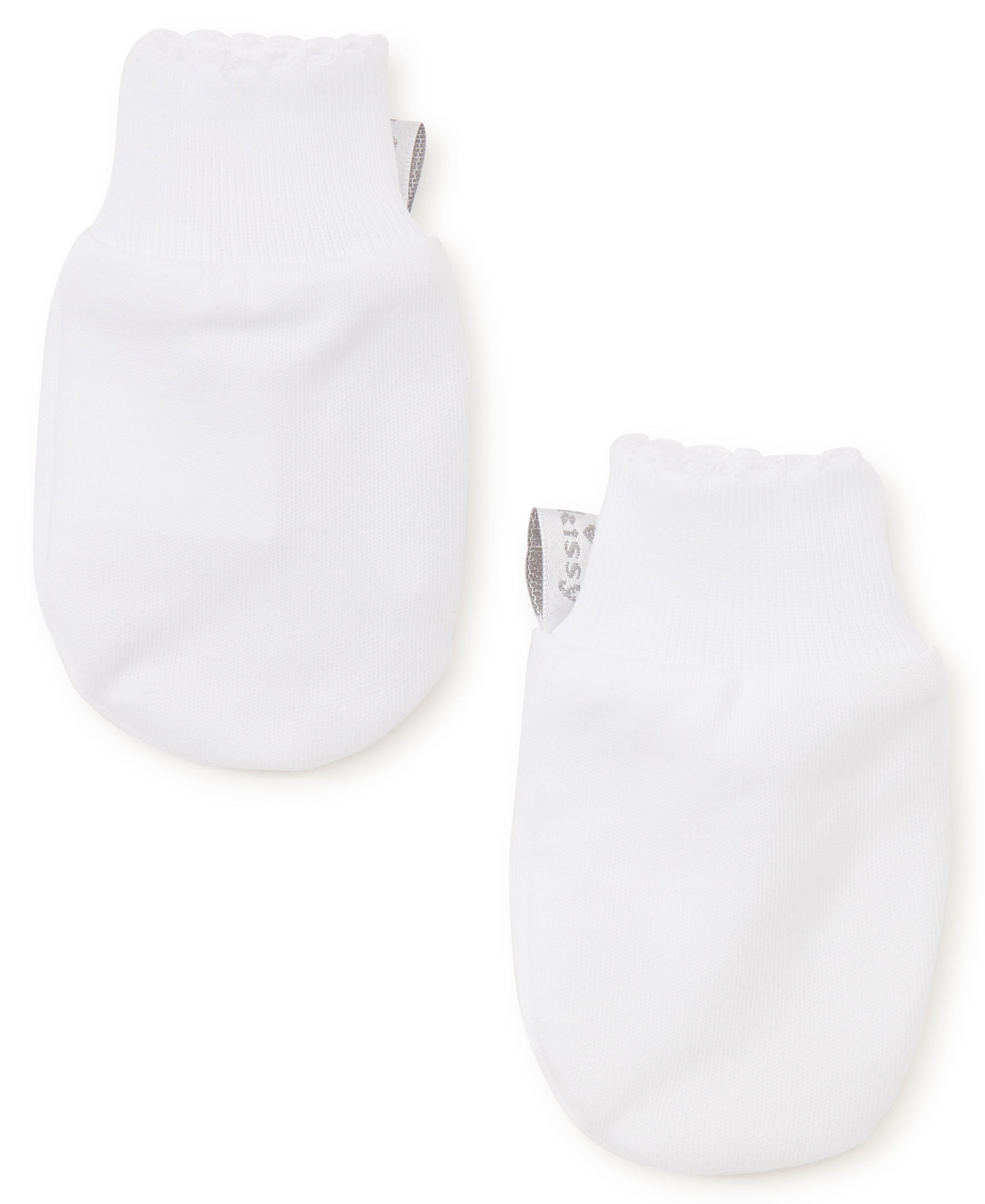
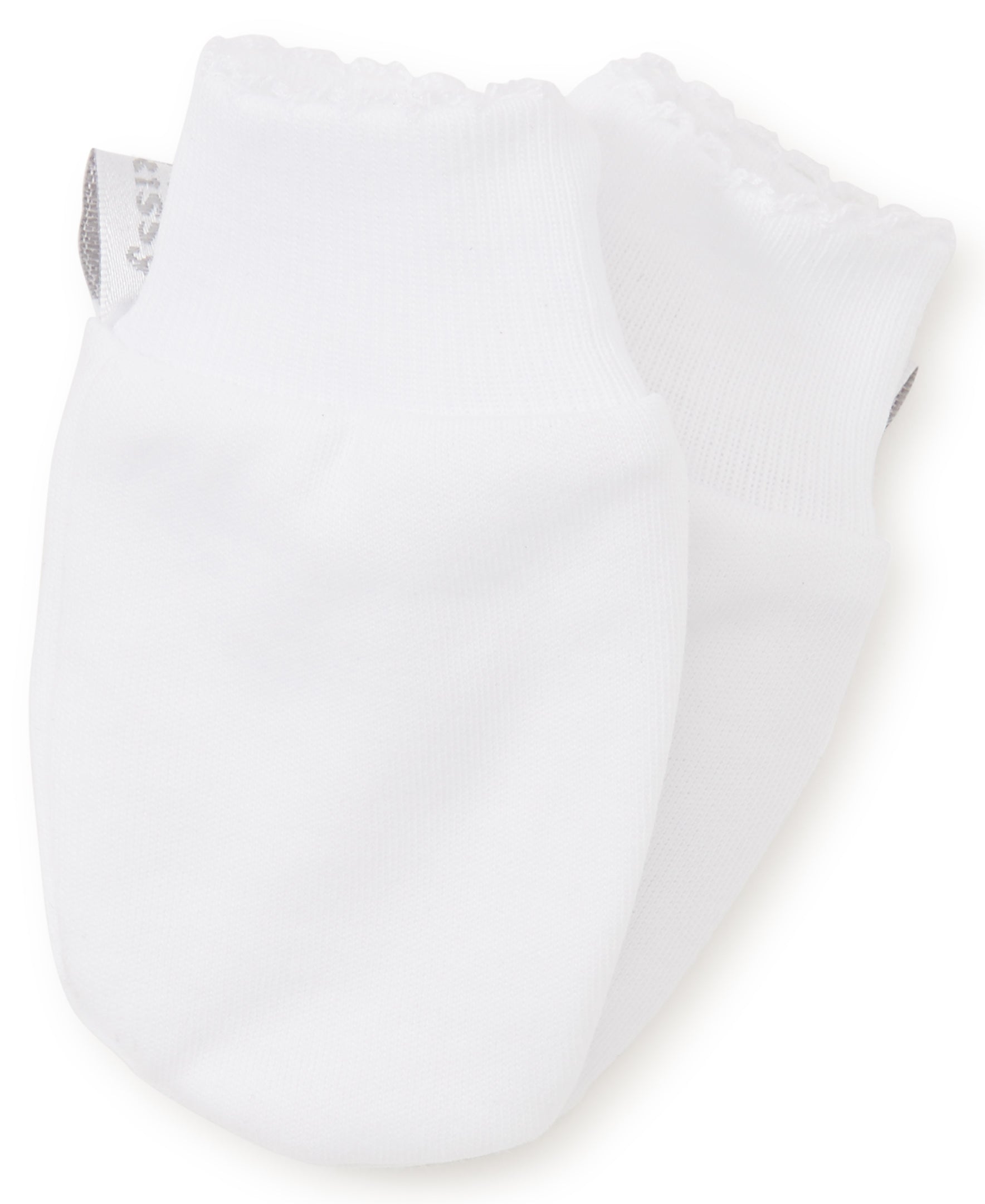
Newborn skin can become irritated easily, especially around seams, cuffs, collars, and snaps. Pima cotton’s smooth fiber structure helps reduce friction against the skin, making it a popular choice for babies with sensitive skin or eczema-prone skin.
Parents often choose Pima cotton baby clothes because the fabric feels lightweight, smooth, and gentle from the very first wear.
2. Pima Cotton Is Breathable
Breathability matters more than many parents realize.
Babies cannot regulate body temperature as efficiently as adults, so breathable fabrics help prevent overheating during naps, bedtime, and everyday wear.
Pima cotton naturally allows air to circulate, helping babies stay comfortable throughout the day. Lightweight Pima cotton baby pajamas and footies are especially popular in warmer climates and for layering during cooler seasons.
3. It Holds Up Wash After Wash
Baby clothes are washed constantly.
Between spit-up, diaper leaks, drool, and everyday messes, newborn clothing can go through the laundry multiple times each week.
Lower-quality cotton often becomes rough, faded, or stretched over time. Because Pima cotton fibers are longer and stronger, the fabric maintains its softness and shape much longer than standard cotton.
Many families save their favorite Pima cotton baby clothes for younger siblings because the fabric wears so beautifully.
4. It’s Made Without Synthetic Blends
Some baby clothing brands blend cotton with polyester or synthetic fibers to reduce costs.
While blended fabrics may initially feel soft, they often trap more heat and do not breathe the same way natural cotton does.
Kissy Kissy uses 100% Peruvian Pima cotton throughout its collections without synthetic blends.
Why Peruvian Pima Cotton Is Considered Premium
Not all Pima cotton is the same.
Peruvian Pima cotton is known for:
-
Exceptional softness
-
Extra-long staple fibers
-
Strong durability
-
Breathability
-
Smooth texture
-
Long-lasting color retention
These qualities make it especially popular for luxury baby clothing and newborn essentials.
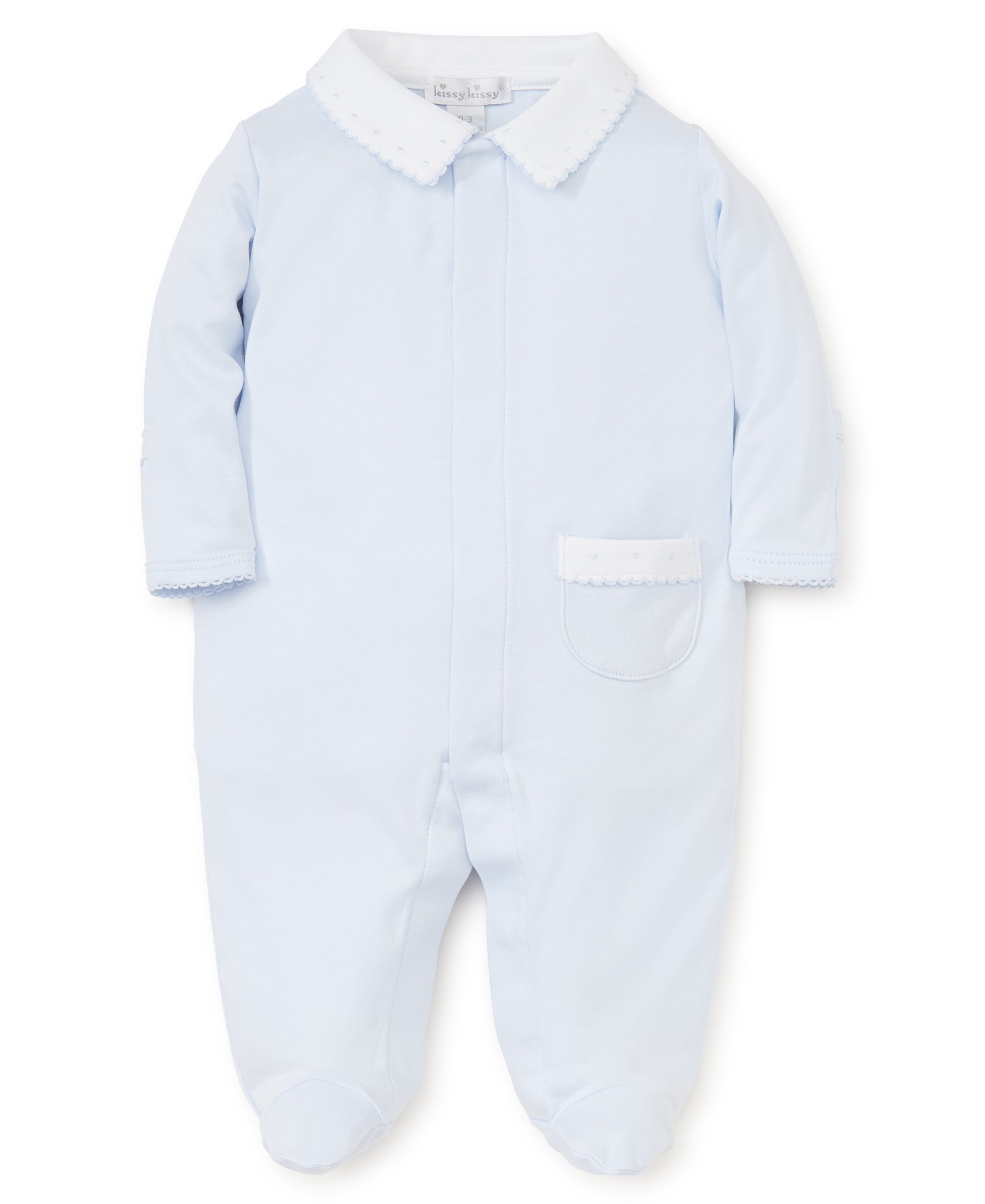
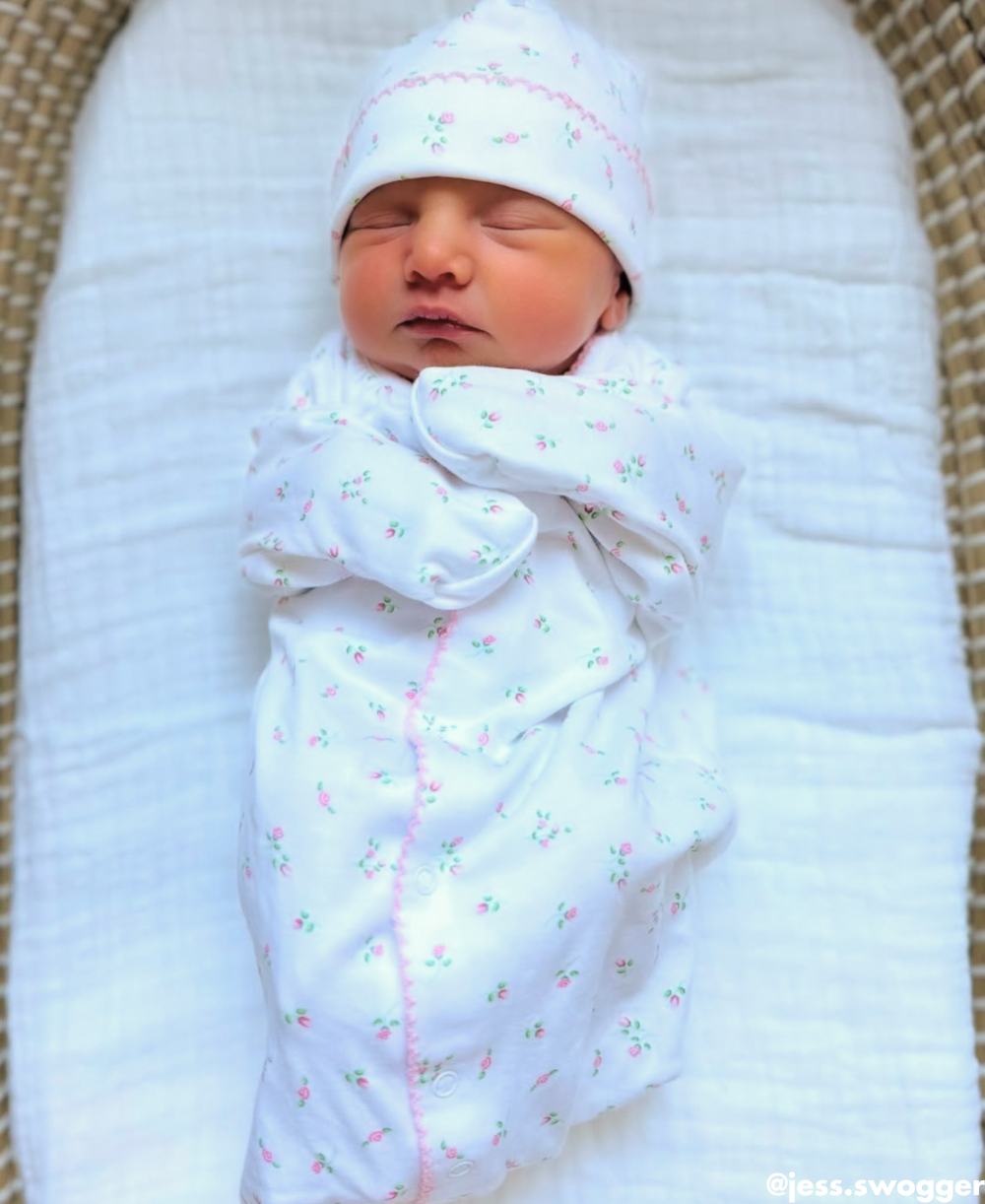
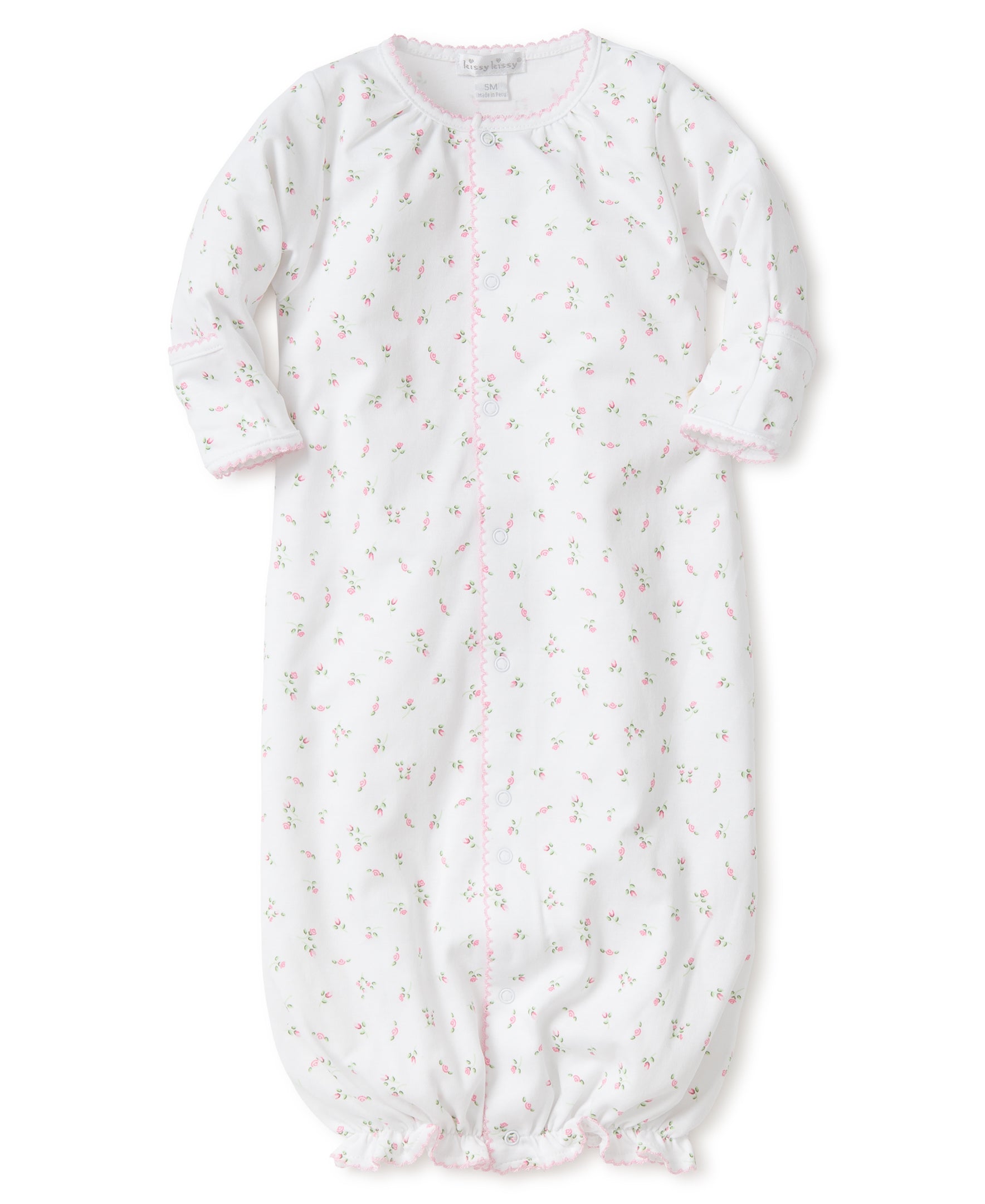
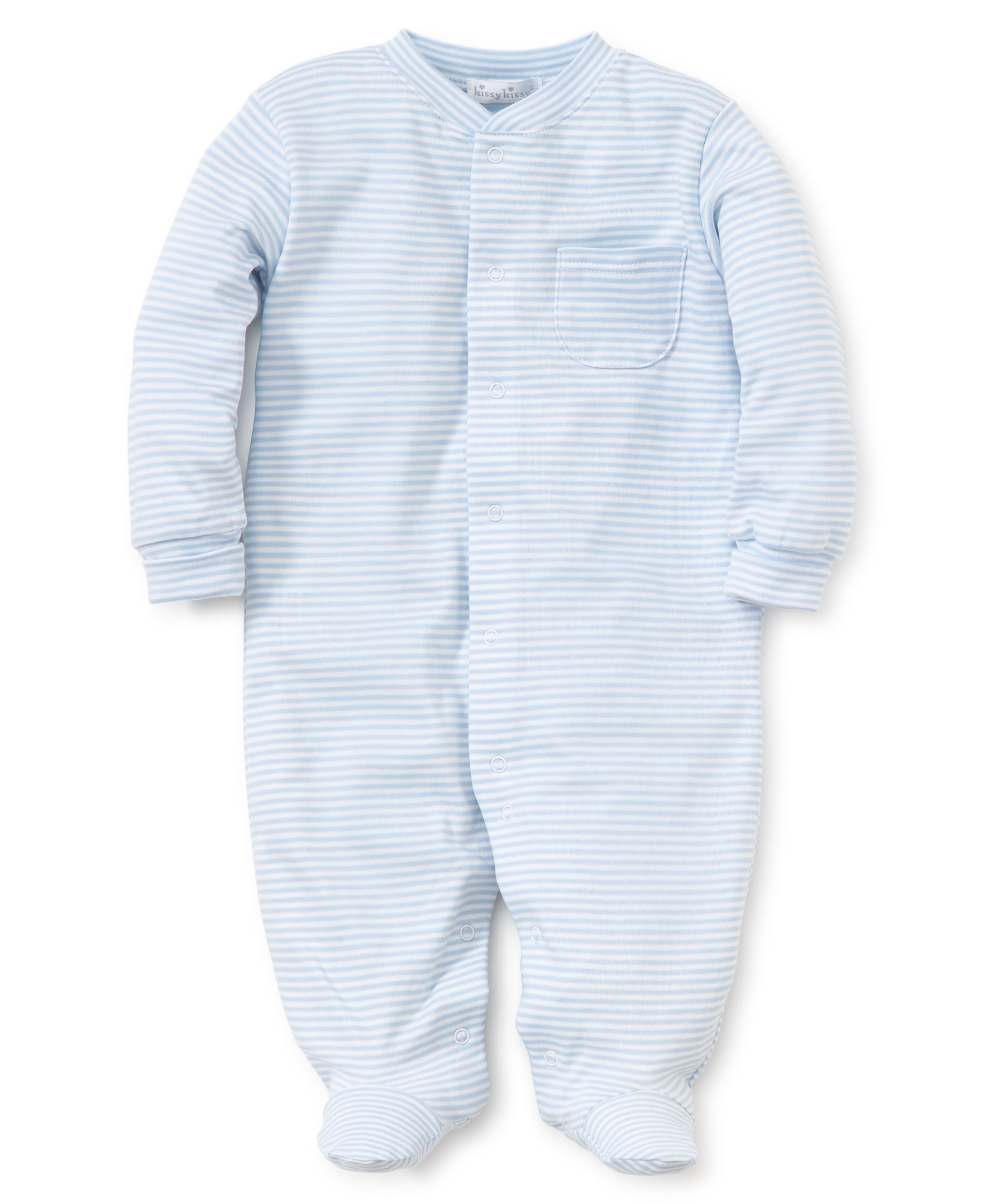
At Kissy Kissy, every piece is designed in premium Peruvian Pima cotton, from everyday baby bodysuits to hand-embroidered special occasion styles.
Is Pima Cotton Good for Babies With Eczema?
Many parents specifically search for the best fabric for babies with eczema or sensitive skin.
Because Pima cotton is soft, breathable, and free from rough synthetic fibers, it’s often recommended as a gentler option for babies who experience skin irritation.
While every baby’s skin is different, lightweight natural fabrics are generally preferred over rougher or less breathable materials.
How to Wash Pima Cotton Baby Clothes
Pima cotton is naturally durable, but proper care helps preserve its softness.
For best results:
-
Machine wash cold
-
Use gentle detergent
-
Tumble dry low
-
Avoid high heat
-
Skip fabric softener
With proper care, Pima cotton baby clothes stay soft and comfortable for years.
What to Look for When Buying Baby Clothes
If you’re shopping for newborn clothing or building a baby registry, here are a few things worth checking:
-
100% Pima cotton or extra-long staple cotton
-
Breathable natural fibers
-
No synthetic blends
-
CPSIA-compliant materials
-
Soft seams and gentle construction
-
Safety-tested dyes and fabrics
The quality of the fabric can make a significant difference in how baby clothes feel after repeated wear and washing.
The Kissy Kissy Difference
Every Kissy Kissy piece is made in Peru with a focus on softness, quality, comfort, and craftsmanship. Products are tested in both Peru and the United States to ensure compliance with CPSIA safety standards and international quality requirements.
Today, Kissy Kissy collections include newborn essentials, baby pajamas, footies, layette sets, special occasion outfits, blankets, and baby gifts, all crafted in premium Peruvian Pima cotton.
Whether you’re preparing for a new baby, shopping for a baby shower gift, or simply looking for softer everyday essentials, Pima cotton remains one of the best fabrics for baby clothing.
Explore Kissy Kissy’s collections of baby girl clothing, baby boy clothing, newborn essentials, and luxury Pima cotton baby clothes at kissykissy.com.
Read More
Top 7 Tips for a Sustainable and Fashionable Earth Day
April 22nd is Earth Day and we’re focusing on the importance of taking care of our planet as well as the small changes and choices we can make to protect it. From the production of fibers to the di...
Read moreBest of Kissy Kissy






Gift Cards
Short content about the value prop.

Free Shipping
Over $150

Gift Wrapping
Short content about the value prop.